Discover Peru
Food, Soul & the Stories Behind Them.
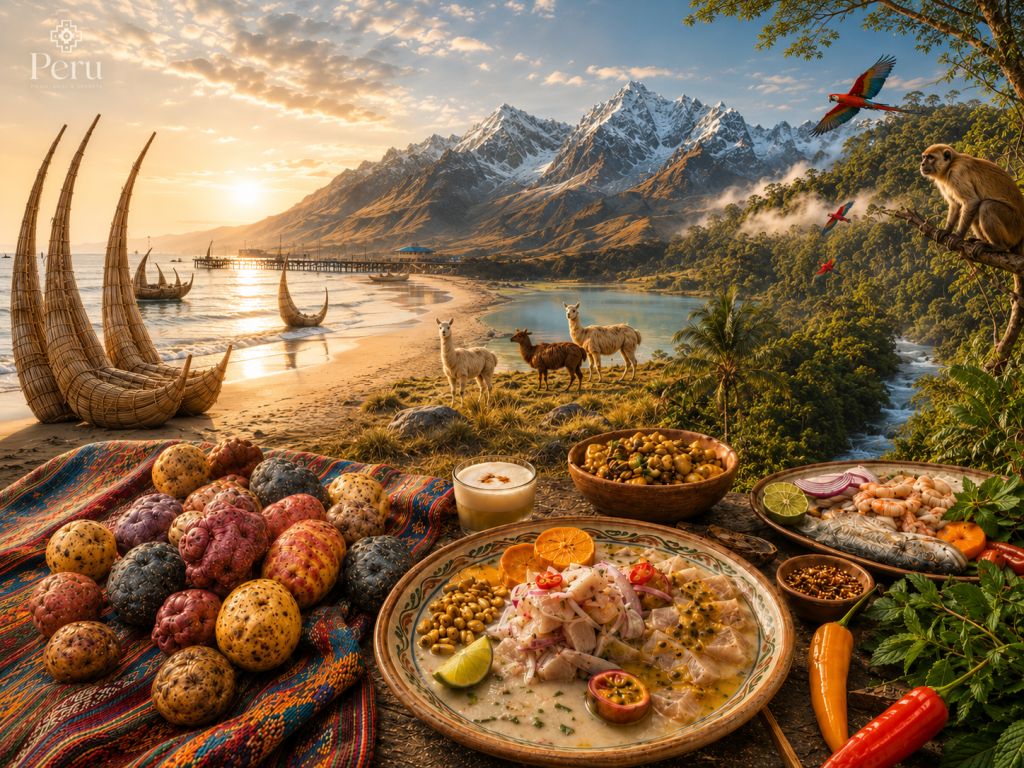
Peru. Food. Soul. Secrets.
The insider guide, written by a Peruvian
Who I am
I grew up in Cusco, which means I grew up inside Peru’s most ancient heartland, where Quechua is still spoken in the markets, the mountains have spiritual weight, and the food tells the story of five civilisations. I built this blog to share what people always ask me when they find out where I’m from: this is Peru beyond the postcard.

Read our Articles
-
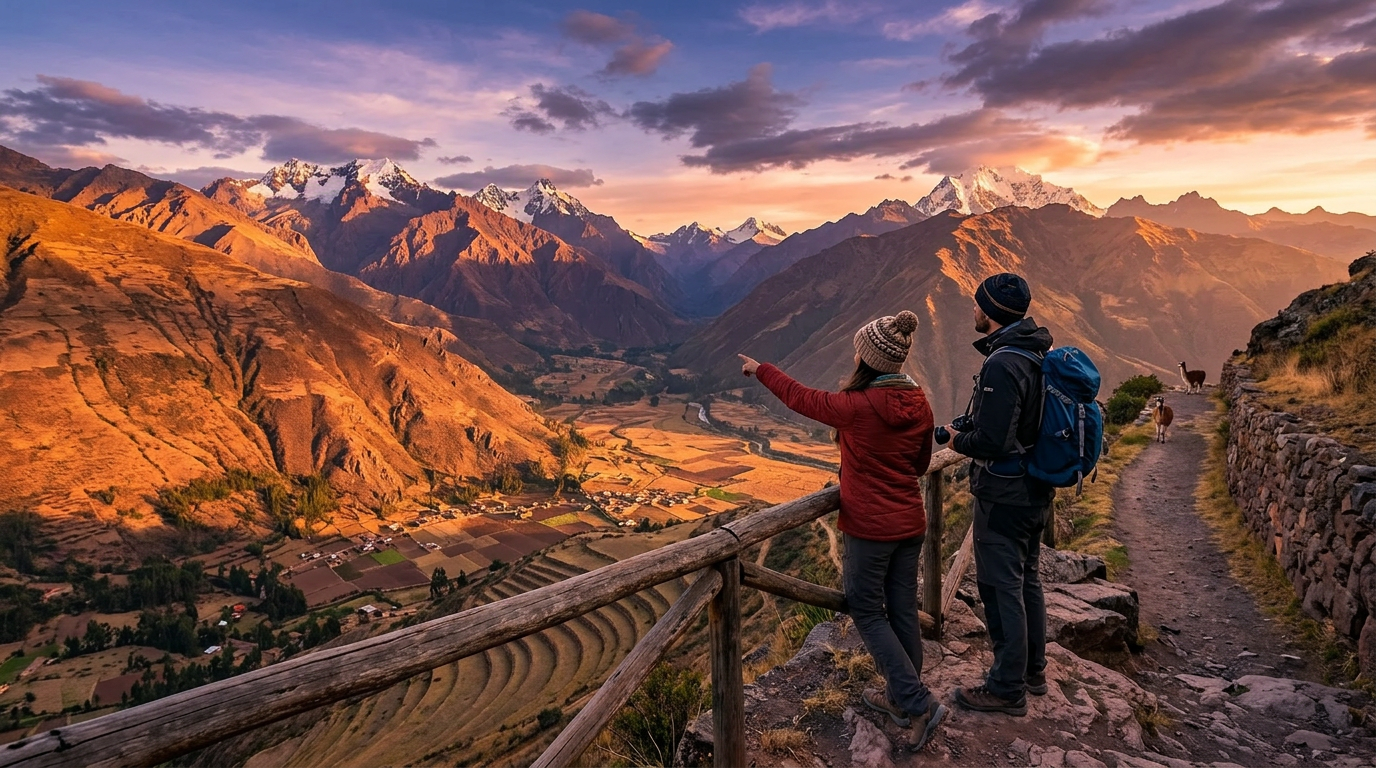
The Real Peru Itinerary: 2 or 3 Weeks, Food First — Written by a Peruvian from Cusco
Most Peru itineraries are built around what to see. This one is built around what to eat — and what the food tells you about where you are. This is the itinerary I give friends visiting for the first time: honest, specific, and focused on the experiences that stay with you. I have crafted two…
-
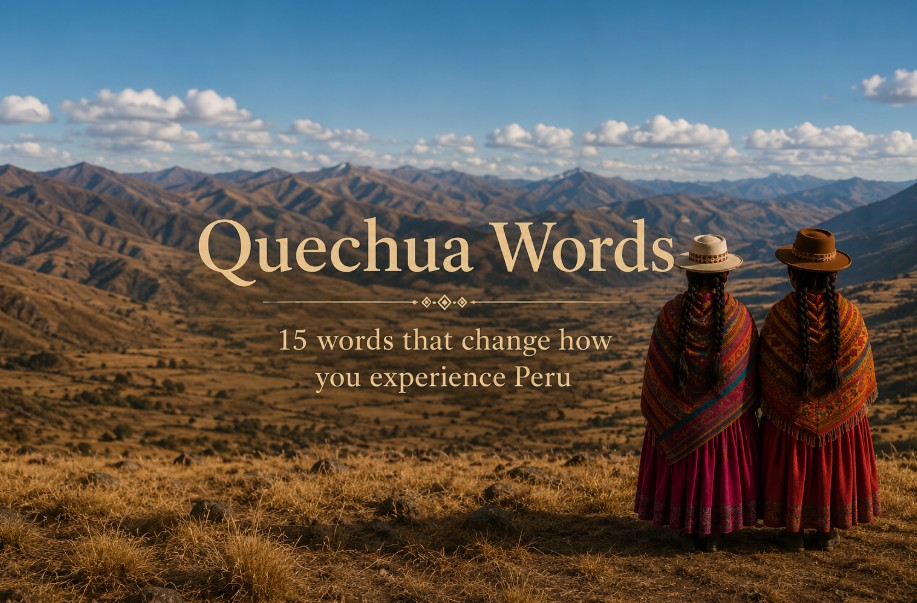
15 Quechua Words That Change How You Experience Peru
I grew up in Cusco, which means I grew up inside Quechua, even when I didn’t fully realize it. Quechua words are woven into the names of the streets, the mountains, the food, the ceremonies. You can’t live in Cusco and not absorb it, even if you’re not a fluent speaker. Quechua consists of related…
-
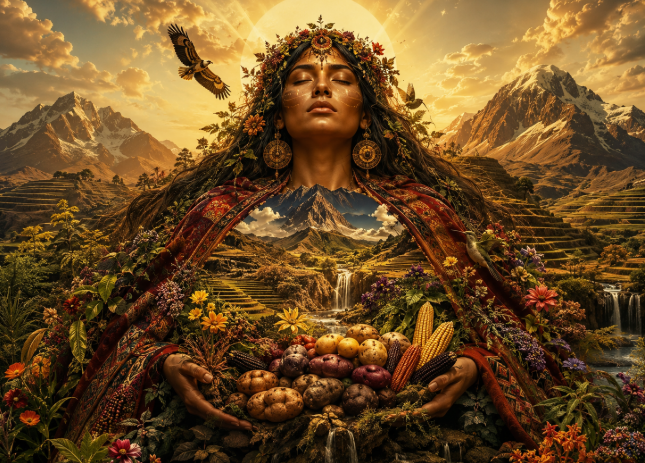
Pachamama Meaning: The Real Andean Cosmology Behind the Word
In Quechua, the language of the Inca, Pachama means earth — but also time, and space, and the cosmos. Mama means mother. She is the mother who is the earth, the time, and the world — all at once. I grew up in Peru. In the Andes, Pachamama meaning is not a metaphor or a…
-

Peruvian Potato History: How Peru Changed the Way the World Eats
When people find out I’m Peruvian, the questions usually start with Machu Picchu or ceviche. Which I love. But if I really want to explain where Peru’s relationship with food comes from — the depth of it, I start somewhere much humbler. I start with the potato. This is the Peruvian Potato history. Not the…
-
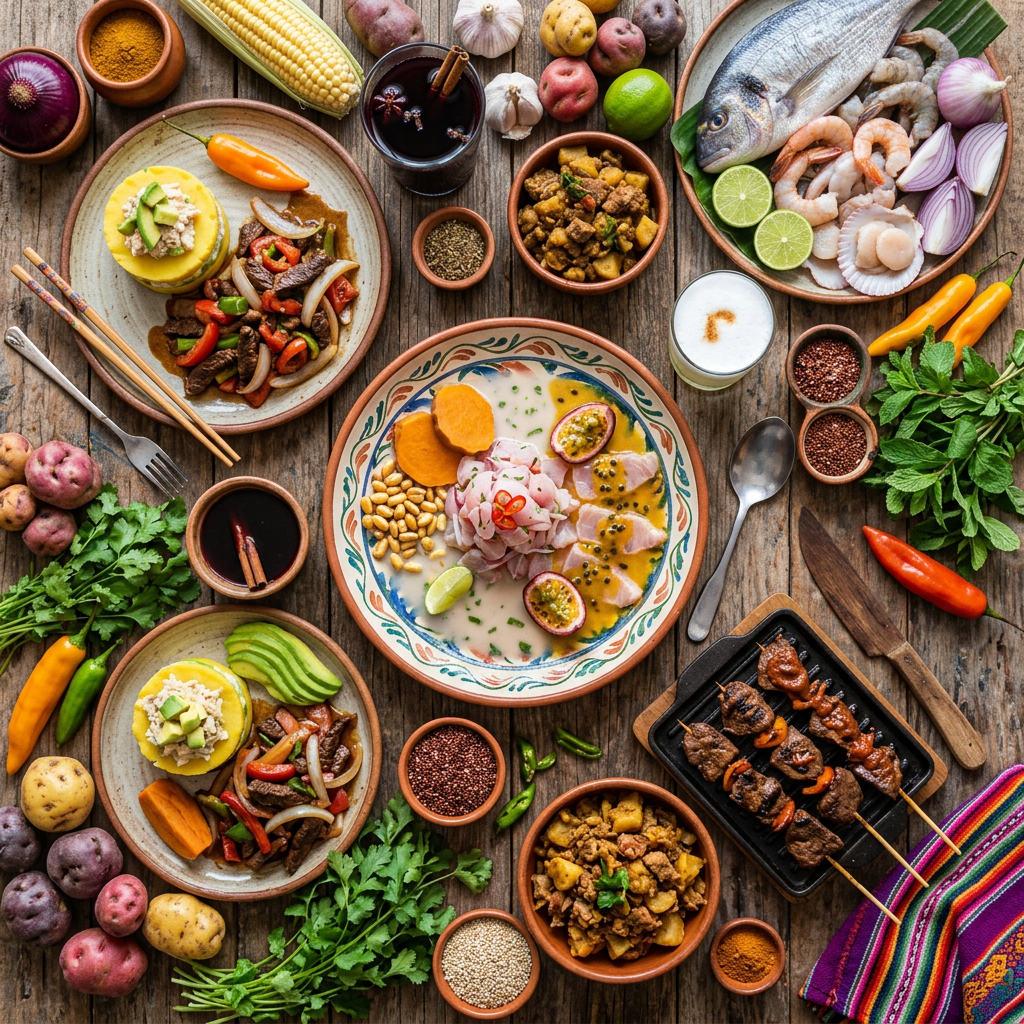
The History of Peruvian Cuisine: Five Civilisations, One Plate
This post is a guide to the history of Peruvian cuisine — where it comes from, how five different cultures contributed to it, and why understanding that history changes how you eat when you travel to Peru. Peru has been named the World’s Leading Culinary Destination by the World Travel Awards for over a decade.…
-
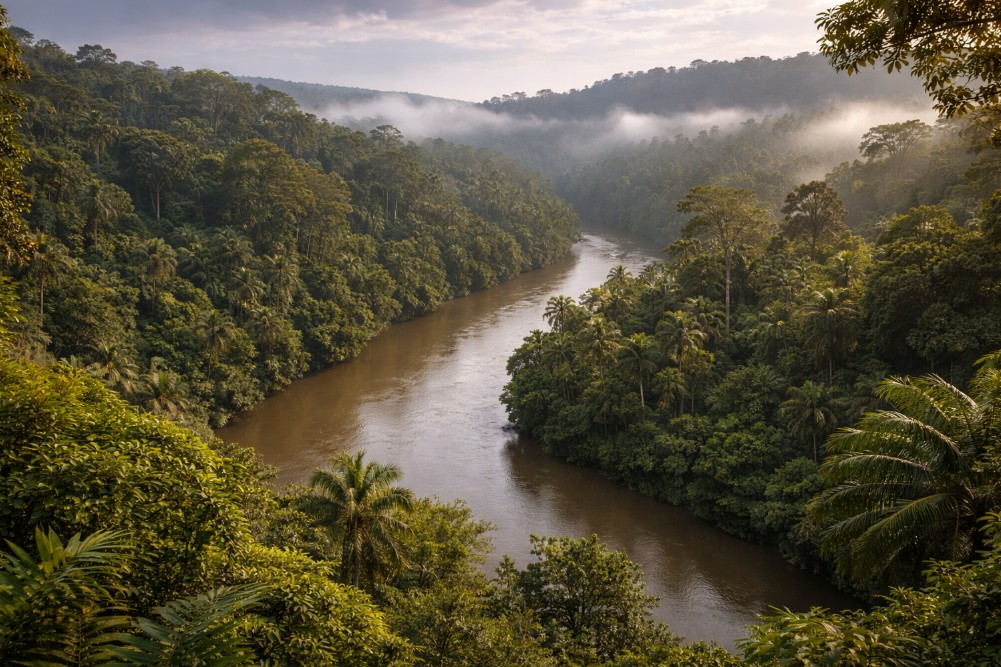
The Amazon Side of Peru: What You Need to Know Before You Go
The Peruvian Amazon covers more than 60 percent of the country’s total land area. It contains some of the most biodiverse ecosystems on earth, a distinct and extraordinary food culture, and communities with deep knowledge of the forest that surrounds them. This Peruvian Amazon travel guide covers the three main access points, what to expect…
-
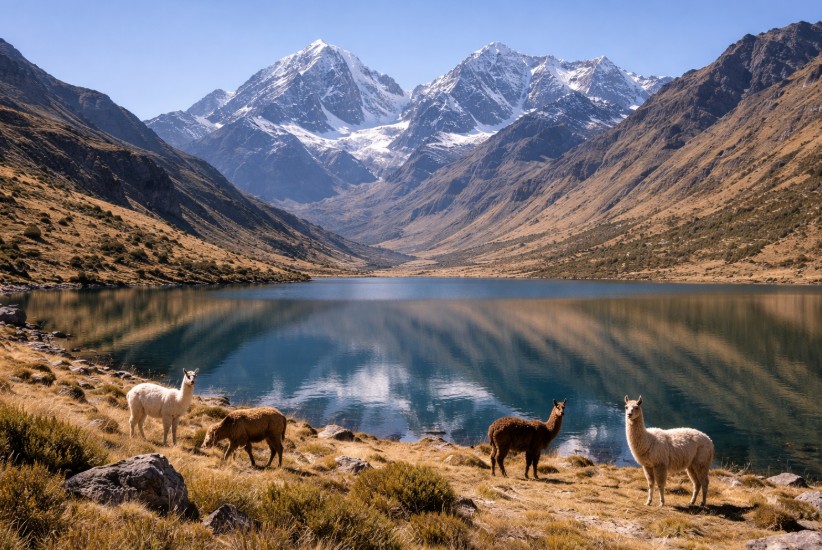
The Peruvian Andes: What to Expect
Most travelers who visit the Andes come for Machu Picchu. They leave having understood something larger — that the Peruvian Andes are not a backdrop for a single famous site but a living, layered world with its own food culture, its own relationship with the land, and an agricultural and spiritual tradition that predates the…
-
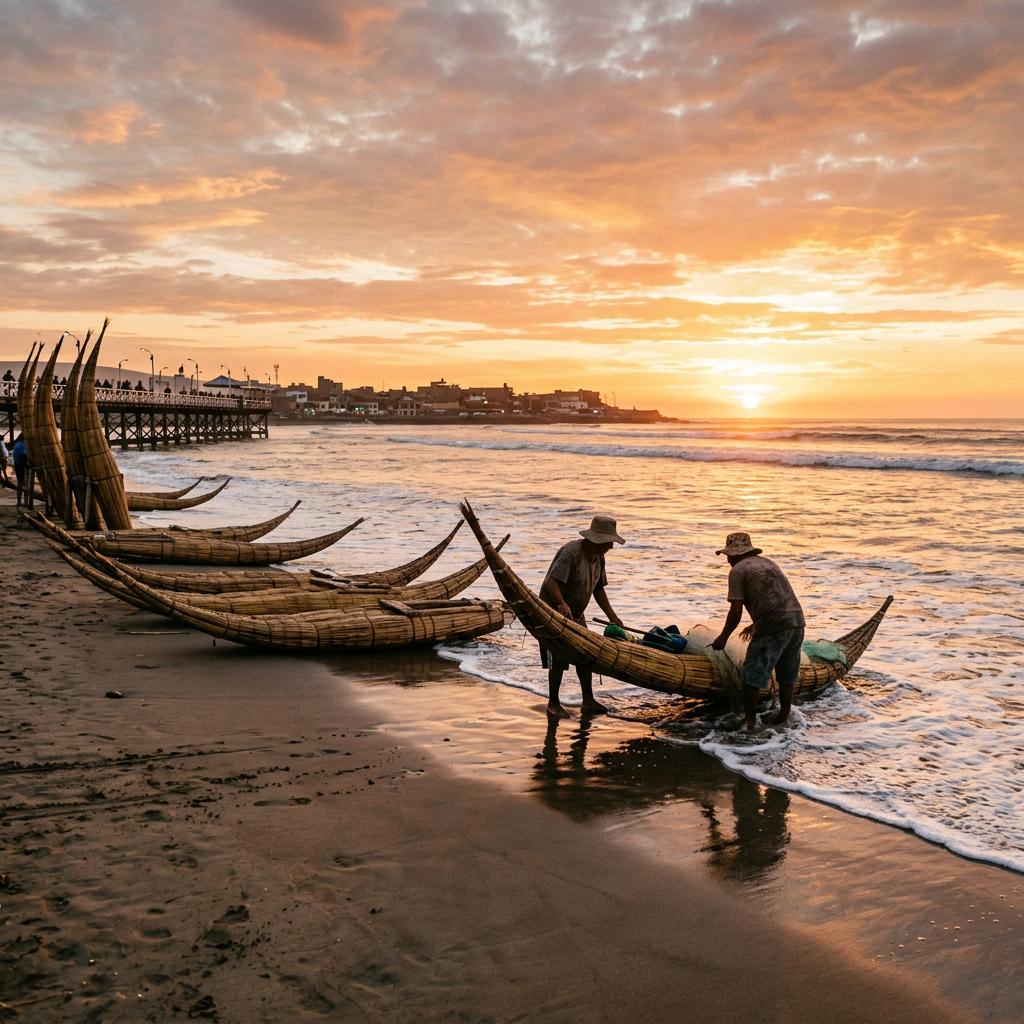
Discover Hidden Northern Peru Coast: Surf, Culture & Food
Most people planning a trip to Peru build their itinerary around the same three stops: Lima, Cusco, Machu Picchu. The northern Peru coast rarely makes the list. That may be an oversight. The coastline that stretches from Trujillo north to Tumbes is one of the most layered regions in Peru — archaeologically, culturally, and gastronomically.…
Key Facts about Peru

📍 1. Where is Peru
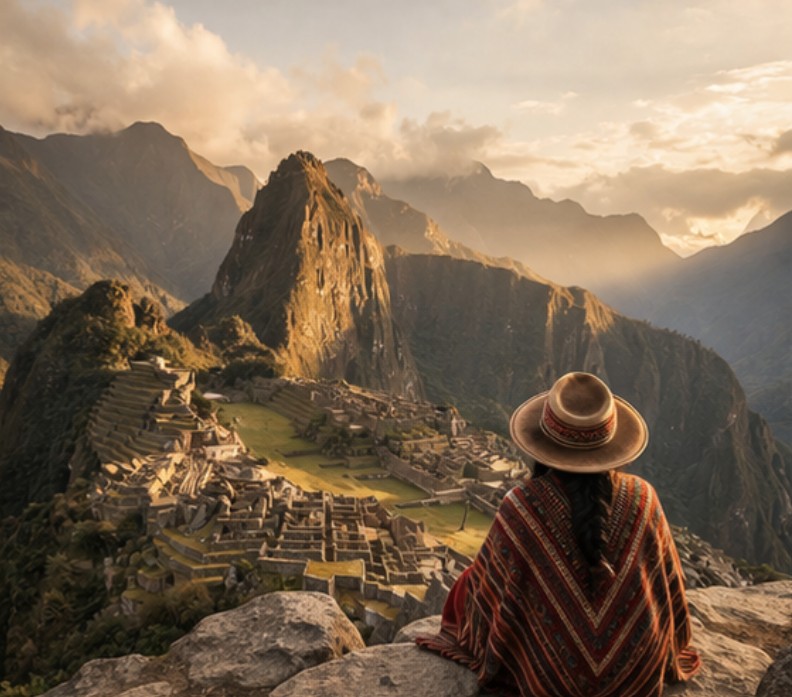
On the west coast of South America, where the Pacific Ocean, the Andes mountains, and the Amazon rainforest meet in a single country , one of the most geographically varied places on Earth.
☀️ 2. When to go
May to October is the dry season and the most reliable window for the Andes and Machu Picchu. But Peru’s coast and Amazon follow different rhythms, which means there is always a good time to go.
⛰️ 3. Altitude
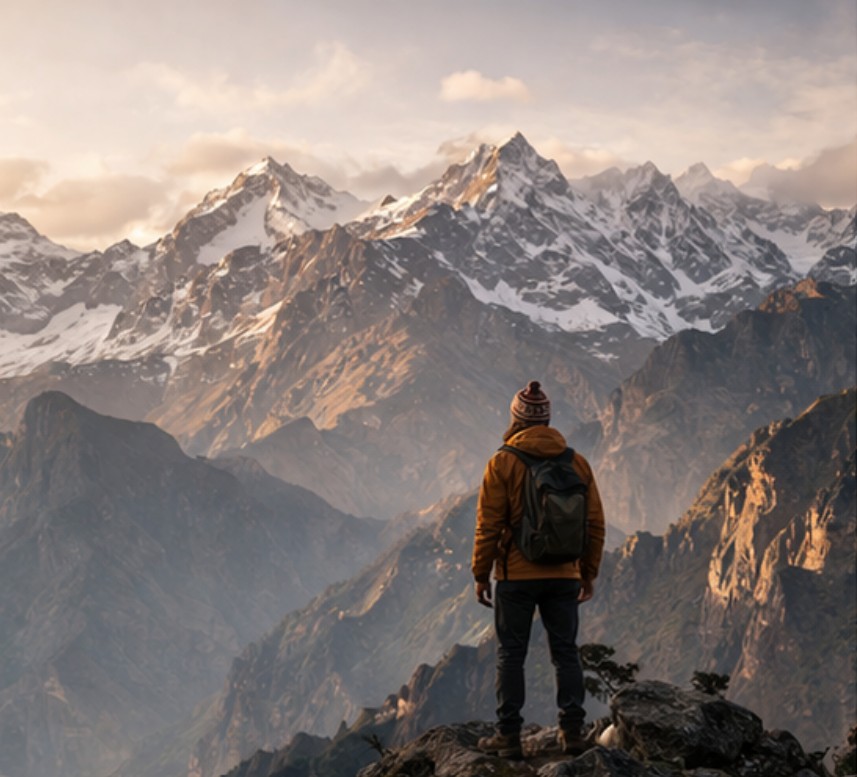
Cusco sits at 3,400 m (11,150 ft). Most visitors feel it on the first day. The local answer: arrive slowly, eat lightly, drink coca tea, and give yourself 48 hours. It works.
